


Maternity
Preparing for pregnancy and supporting early pregnancy
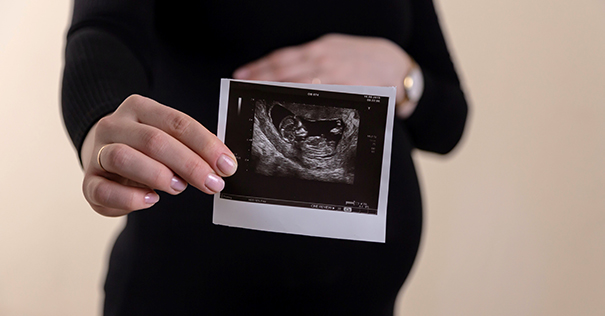
Starting to try for a baby – or being in the early stages of pregnancy – can feel exciting but also overwhelming. For many, especially after experiencing a previous pregnancy complication, this time can bring a mix of hope and worry.
It's also a moment when many people begin to think more about their general health and wellbeing – not just for themselves, but for their future baby too. Looking after your health before and during early pregnancy can make a real difference, and small steps can go a long way.
We've put together some information to support you and your partner during this important time. Whether you're just starting to try, or are already pregnant, we hope you find it helpful, reassuring, and practical.
Click on the links to read more:
Understanding Risk and Cause
Understanding Risk and Cause
While there are things you can do to support your health and reduce the risk of complications, it's important to remember that not everything is within your control. Even with the best preparation, no one can guarantee how a pregnancy will unfold.
This is why it is helpful to understand the difference between a risk and a cause.
Take alcohol, for example. We know that regular or heavy drinking during pregnancy increases the risk of complications – including miscarriage – but that doesn't mean it caused a complication in the past. Even if you drank alcohol in a previous pregnancy, that doesn't mean it was the reason for what happened.
Understanding this distinction can be reassuring. It allows you to focus on what's within your control, without blaming yourself for things that were never your fault.
What can you and your partner do?
What can you and your partner do?
Your health before and during pregnancy can affect not only your fertility, but also your baby's development and long-term health.
By making positive changes early on, you can:
- improve your chances of getting pregnant
- support a healthy pregnancy
- protect your baby's future health
- bring down your risk of problems in pregnancy
Diet
Diet
What you eat before and during early pregnancy can help support your fertility, your baby's development, and your own wellbeing.
The key message is simple: aim for a nutritionally complete, balanced diet — one that includes a wide variety of foods and plenty of colour on your plate.
Eating a diet that is:
- Balanced – including healthy fats, whole grains, proteins, and carbohydrates
- Varied – with different types of foods from day to day
- Colourful – especially rich in fruit and vegetables
... can help ensure you're getting all the vitamins, minerals, and nutrients you need.
Fruits and vegetables are particularly rich in antioxidants, which help reduce oxidative stress and may protect egg and sperm DNA from damage. A diet high in plant-based food groups and fibre also helps to support a healthy gut microbiome, which plays an important role in regulating inflammation, immune function, and hormone balance — all of which are important in early pregnancy.
It's also important to remember that everyone's nutritional needs are different — depending on things like your lifestyle, medical history, and cultural background. That's why there's no such thing as a "perfect" diet that works for everyone. What matters most is finding a pattern of eating that's realistic, nourishing, and sustainable for you.
If you have specific dietary needs or a medical condition (such as coeliac disease, diabetes, or PCOS), speak to your GP or midwife for tailored advice.
Further support and practical guidance
These resources offer guidance on healthy eating and local support services to that can support your overall wellbeing before and during pregnancy.
- Eat Well – NHS Public Health England
Practical guidance on balanced, healthy eating for everyday life and pregnancy preparation. - Tips for a healthy pre-pregnancy diet – Tommy's
Practical tips to improve diet before pregnancy – including advice on nutrients, portion sizes, and healthy swaps that support fertility and long-term health. - Everyone Health – Bath & North East Somerset
Free B&NES Wellness Service offers support for both emotional and physical health. It aims to build motivation, skills, confidence and resilience to help you make lasting, positive changes and improve your overall health. - Wiltshire Health Improvement Hub
Connects you with local Health Coaches who can support you with stopping smoking, managing weight, or helping under 18s stop vaping. They can also guide you to other services and activities to support your overall health and wellbeing. - Healthy Somerset
An online resource offering information and advice on wide range of health and wellbeing topics – including nutrition, mental health, physical activity, and healthy lifestyles. It is a helpful place to start for self-guided support.
Supplements
Supplements
While a healthy, balanced diet provides most of the nutrients your body needs, there are times – especially before and during pregnancy – when your body may need additional support.
It's important to understand that supplements are not a replacement for nutritious food. But because many adults may start pregnancy with low or borderline levels of key vitamins and minerals, the right supplements can help ensure your body is in a safe and healthy range to support your baby's development.
There are two key supplements that are recommended for all women who are trying for a baby or already pregnant:
- Folic acid
- Vitamin D
Folic Acid
Taking folic acid before and during early pregnancy helps protect your baby from neural tube defects, such as spina bifida.
- Take 400 micrograms (mcg) daily
- Start at least 3 months before trying for a baby and continue until at least 12 weeks into pregnancy
Some people need a higher dose of 5 milligrams (mg) daily. You should speak to your GP about a prescription if any of the following apply:
- You have epilepsy
- You have diabetes
- Your BMI is over 30
- You've had a baby affected by a neural tube defect before
- You or your partner have a family history of spina bifida or similar condition
Vitamin D
Vitamin D plays a crucial role in pregnancy – not just for your bones, but for your immune system, hormone balance, and your baby's development. It supports healthy placental function, helps regulate inflammation, and plays a role in how cells grow and communicate.
- Take 10 micrograms (400 IU) daily
- Continue throughout pregnancy and beyond
Many people in the UK have low vitamin D levels, particularly in the winter months or if they spend most of their time indoors or wear clothing that covers most of the skin. A daily supplement helps ensure your levels stay in a healthy range.
Link to trusted resources
- Vitamins, Supplements and Nutrition in Pregnancy – NHS
Official NHS guidance on supplements, healthy eating and why different micronutrients matter - Healthy Start Overview – NHS
Learn more about the Healthy Start Scheme, which provides free vitamin supplements and food vouchers for eligible people who are pregnant or have young children. Apply for healthy start here.
Caffeine
Caffeine
Caffeine is part of many people's daily routines. Caffeine is in coffee, tea, energy drinks, and chocolate. But when you're trying for a baby or already pregnant, it's recommended to keep an eye on how much caffeine you're having.
Too much caffeine has been linked to:
- An increased risk of miscarriage and stillbirth
- Lower birth weight
- Possible effects on fertility in both women and men
Caffeine passes through the placenta to your baby, who processes it much more slowly. That's why most guidelines recommend limiting your intake to no more than 200mg per day – that's roughly:
- 1–2 cups of coffee, depending on strength
- Or 2 cups of tea
Energy drinks and fizzy drinks can contain a surprising amount of caffeine – so it's worth checking the label.
If you're having more than this, don't panic – but start making small swaps where you can. Cutting down gradually is often more realistic than stopping overnight.
Herbal teas can be a good alternative, but not all are safe in pregnancy – check the label or ask your midwife if you're unsure.
Use this handy caffeine calculator to see how much you have in a day.
Weight
Weight
Your weight before and during pregnancy can affect both fertility and pregnancy outcomes. If you are underweight or overweight, aim to come closer to a healthy body mass index (BMI). This is between 18.5 and 24.9.
Why it matters
Having a BMI outside the healthy range may affect:
- How easily you fall pregnant
- You risk of complications such as miscarriage, diabetes in pregnancy, pre-eclampsia and caesarean birth
- Your baby's growth and long-term health
Understanding your BMI
You can check your BMI and learn what it means using the tools below:
- NHS BMI calculator
A free and easy way to calculate your BMI and get tailored advice on healthy weight - BMI in pregnancy tool – Tommy's
Tool that helps you understand how your BMI affects pregnancy and what steps to take before trying for pregnancy
Weight loss and Pregnancy
For people with a higher BMI, intentional weight loss before pregnancy – through healthy eating, physical activity, or supervised medical support – can:
- Improve fertility
- Reduce the risk of gestational diabetes, pre-eclampsia, and caesarean birth
- Support better pregnancy outcomes overall
However, we also recognise that more people are now using weight-loss medications or have had bariatric surgery. While these can be helpful tools, it's important to understand that:
Conceiving during a period of rapid weight loss or while your body is low in key nutrients can carry risks – including a higher chance that your baby may not grow as well during pregnancy, and other complications.
If you're using weight-loss medications or have had bariatric surgery, it's vital to plan your pregnancy in discussion with a GP or specialist team. They can advise you on:
- The safest time to conceive
- Which medications to continue, pause, or stop
- How to optimise your nutritional intake (especially key vitamins like folate, iron, B12, and vitamin D)
Alcohol
Alcohol
There is no known safe level of alcohol in pregnancy.
Alcohol can impact both fertility and pregnancy outcomes. Drinking before or during pregnancy is associated with an increased risk of complications and may affect your baby's development, particularly the brain and nervous system.
Because you may not know you're pregnant in the earliest weeks, the safest approach is to avoid alcohol altogether if you're trying for a baby or are already pregnant.
Why it matters
Alcohol use is linked to:
- Reduced fertility in both women and men
- Increased risk of pregnancy complications, including miscarriage, preterm birth, and low birth weight
- Long-term developmental effects in the baby, such as fetal alcohol spectrum disorders (FASD), which can affect learning, behaviour, and growth
Although public health guidance sets upper limits for alcohol consumption for adults (14 units for women and 21 units for men), these are not "safe" levels in pregnancy. The less alcohol, the better - and complete abstinence offers the best protection for both fertility and your baby's health.
Real-life challenges
We understand that alcohol is often part of social life, celebrations, or cultural practices. Choosing to avoid alcohol can feel awkward or even isolating, especially when those around you may not know you're trying for a baby or newly pregnant. But this choice is a powerful and positive one – and you have every right to prioritise your health and your baby's future.
If you're finding it difficult to cut back or stop drinking, you're not alone. Speak to your GP, midwife, or a support service – help is available.
Useful links and resources
- Alcohol unit calculator – Alcohol change
Use this tool to understand how many units are in your drinks - Turning Point – Bath & North East Somerset
A free and confidential Drug and Alcohol service for those living in B&NES - Turning Point Somerset
A free and confidential support for people wanting help with alcohol use and living in Somerset - Connect Wiltshire
A free drug and alcohol service for those living in Wiltshire
Smoking or Vaping
Smoking or Vaping
If you smoke, quitting is one of the best things you can do for your fertility, your pregnancy, and your baby’s health. Smoking affects both male and female fertility, and in pregnancy it can:
- Increase the risk of miscarriage
- Affect the baby’s growth and development
- Raise the risk of preterm birth, stillbirth, and complications after birth
The good news is that stopping smoking before or during pregnancy can significantly reduce these risks – and support is available to help you stop safely and successfully.
What about vaping?
The evidence around vaping (e-cigarettes) in pregnancy is still developing. Vaping is not risk-free, but it is likely to be much safer than smoking tobacco, as tobacco smoke contains thousands of toxic chemicals that are very harmful to you and your baby.
If you are using vapes to quit smoking, it’s best to do so with advice from a healthcare professional, and with a plan to stop completely when you can.
Support to quit
You’re four times more likely to quit successfully with help from a trained stop smoking advisor. This support is often most effective when combined with nicotine replacement therapy (NRT), which may be free of charge through local service. Support can be tailored to your needs and offered in a variety of ways:
- Face-to-face appointments
- Group support sessions
- Virtual or app-based coaching
Where to find support
Quitting smoking can be difficult – but you're not alone, and there is safe and effective support available.
- Nicotine replacement therapy (NRT) is safe to use in pregnancy and can help manage cravings
- You can speak to your midwife, GP or pharmacist for support
- Or contact one of the following service below
Local Support Service
- Stop Smoking – Everyone Health B&NES is a free stop smoking service for Bath and North East Somerset residents.
- Smokefree Somerset is a free stop smoking service for Somerset residents provided by Somerset’s Public Health team.
- Smokefree Wiltshire is free local support to help you stop smoking.
Specialist Support for pregnant people
- If live in Wiltshire and B&NES, your midwife can refer you to Health in Pregnancy Team at RUH for specialist stop smoking support (ruh-tr.ttcteam@nhs.net).
- If you live in Somerset, your midwife can refer you to Smokefree Families using the online referral form
National Tools and Helpline
- NHS Smokefree Helpline
Call 0300 123 1044 for free, confidential advice and support from trained stop smoking advisors - NHS Quit smoking website
Visit the official NHS quit smoking website for trusted information, motivational tools, and support options to help you stop smoking - NHS Personal Quit Plan
Create a personalised quit plan tailored to your needs and goals, with advice on how to manage cravings and stay on track - NHS Quit Smoking app
Free to download on Apple iOS and Google Play. Track your progress, receive daily support, and stay motivated on your quit journey.
Exercise
Exercise
Staying active is one of the most positive things you can do to support your health and prepare for pregnancy.
Being sedentary (sitting down a lot) raises the risk of pregnancy complications. Regular physical activity can help improve fertility, mood, circulation, and metabolic health, all of which are important for a healthy pregnancy.
We recommend that you stay active for at least 20-30 minutes, 3 times a week. This doesn't need to be intense – gentle activities like walking, swimming, yoga, or cycling can all be helpful. The goal is to move your body in a way that feels manageable and sustainable.
Exercise has benefits beyond physical health – it can reduce stress and boost mood, which is particularly important if you're feeling anxious about pregnancy or have experienced a complication before.
You and your partner might find it helpful to make healthy changes together. Supporting each other to stay active and well can help make new habits stick – and has benefits for you both.
If you have a medical condition or you're unsure what's safe for you, speak to your GP or midwife for tailored advice.
Dental Health
Dental Health
Taking care of your dental health is an important – but often overlooked – part of preparing for a healthy pregnancy. Good oral health isn't just about avoiding toothaches; there's increasing evidence that poor dental health is linked to complications such as preterm birth and low birth weight.
During pregnancy, your body goes through many changes that can affect your dental health. Hormonal shifts can make your gums more prone to inflammation, bleeding, and infection (known as pregnancy gingivitis). You may also be at increased risk of tooth decay or gum disease, especially if you experience morning sickness, cravings, or changes in your usual diet.
Why it matters
- Untreated dental problems in pregnancy have been linked to complications such as preterm birth and low birth weight.
- Gum disease before pregnancy may be associated with delayed conception and other complications, though research is still ongoing.
- Taking care of your teeth and gums before and during pregnancy is an important part of looking after your overall health.
Free dental care
If you're pregnant or have had a baby in the last 12 months, you're entitled to free NHS dental care. This includes routine check-ups and treatment, as needed.
To access this:
- You need to apply for a Maternity Exemption Certificate (MatEx), which you'll need to show your dentist. Ask your midwife for a form FW8. You complete part 1 and 2 of the form, and your midwife signs it to confirm that the information you have given is correct.
- Make sure to register with a dental practice if you haven't already – don't wait until you have a problem.
Tips for protecting your dental health
- Brush twice daily with a fluoride toothpaste
- Flossing everyday can prevent plaque build-up between teeth
- Try to limit sugary snacks and drinks, which can increase the risk of decay
- If you're experiencing morning sickness, rinse your mouth with water or fluoride mouthwash after vomiting – brushing straight away can damage enamel
- Stop smoking, as it can make gum disease worse
- Don't ignore bleeding gums – book a dental check-up if you notice any changes
Caring for your teeth and gums is another meaningful way to protect your health – and your baby's. Even if you have no symptoms, it's worth booking a check-up early in pregnancy.
Useful links and resources
- Who can get free NHS dental treatment – NHS - Details on NHS dental treatment eligibility and exemptions
- List of NHS dentists
- Bleeding gums in pregnancy – NHS Information on pregnancy gingivitis and how to manage symptoms
Long-Term Conditions and Medication
Long-Term Conditions and Medication
If you have a long-term health condition such as diabetes, epilepsy, asthma, or a mental health condition that requires medication, it's especially important to plan ahead when thinking about pregnancy.
Some medications may need to be adjusted to make sure they are safe for use in pregnancy – but many treatments are safe, and in most cases, it's safer to stay on the lowest effective dose than to stop treatment altogether.
Please don't stop taking your medication without medical advice.
Stopping suddenly – especially when you first find out you're pregnant – can cause your condition to become unstable, which may carry more risk than the medication itself.
Instead, speak to your GP, specialist, or midwife as early as possible. They can review your current treatment and, if needed, refer you to a specialist pre-pregnancy or antenatal clinic to help optimise your health and treatment plan.
Keeping your condition well-controlled is one of the best things you can do to reduce the risk of pregnancy complications and to support a healthy pregnancy and baby.
Mental Wellbeing
Mental Wellbeing
Pregnancy – or preparing for it – can feel like an exciting time, but it's also very common to feel anxious, worried, or overwhelmed. There's a lot of uncertainty, and if you've had any previous complications with fertility or pregnancy, those feelings may be even more intense.
You're not alone in this. Many individuals and couples experience a wide range of emotions during this time – from hope and joy to worry and sadness. These feelings are common, and they deserve attention just as much as your physical health.
Taking care of your mental wellbeing is an important part of preparing for pregnancy and supporting your baby's development.
Pregnancy can bring about new emotions, and if you've experienced mental health difficulties before, you may find that you experience a relapse in previous concerns - even if you have been well for some time. That doesn't mean you will become unwell again, and many people remain well. But recognising changes early and having a plan in place can help.
If you have bipolar disorder, schizophrenia, or have previously experienced psychosis, you may feel particularly concerned about how pregnancy could affect your mental health. Your GP or midwife can refer you to your local perinatal mental health team who can offer personalised advice, support, and medication reviews.
Do not stop or change any mental health medication without medical advice.
We would never recommend stopping or changing any medication for your mental health without the advice and support of a medical professional. For most medications, the benefits outweigh the small risks. Stopping suddenly may increase the chance of relapse, which can be more harmful to both you and your baby than the medication itself. Your GP or specialist can talk through the risks and benefits based on your individual needs.
Some medications carry more risks than others in pregnancy. In certain cases, your healthcare team may advise adjusting the dose, switching to a safer alternative, or optimising your treatment before you try for pregnancy. For example, Sodium Valproate is associated with a high risk of birth defects and developmental problems. It is best to avoid this during pregnancy. If you're taking this – or any long-term mental health medication - speak to your GP or specialist before stopping contraception or making any changes.
You can find clear, evidence-based information about the safety of medications in pregnancy at BUMPS (Best Use of Medicines in Pregnancy).
If you're struggling with your mood, anxiety, sleep, or coping day to day, speak to your GP, midwife or obstetrician. Support is available and getting help early can make a real difference.
Looking after your mind is just as important as looking after your body.
Resources
- Perinatal Mental Health Support – Avon and Wiltshire Mental Health Partnership NHS Trust
- Perinatal Mental Health Support – Somerset NHS Foundation Trust
- Planning a Pregnancy – Royal College of Psychiatrists
- Planning a Pregnancy with Bipolar Disorder, Schizophrenia, or Postpartum Psychosis – Action on Postpartum Psychosis
Partners Matter Too
Partners Matter Too
Preparing for pregnancy is a shared journey. While much of the focus is often placed on the person carrying the baby, partners have an equally important role to play.
Whether you're contributing sperm, providing emotional support, or building a life together – your health, habits, and environment can influence fertility, pregnancy outcomes, and your baby's long-term health.
Many of the changes we've discussed – like eating well, reducing alcohol, stopping smoking, cutting back on caffeine, staying active, and looking after your mental health – apply to partners too.
- If you smoke, your partner may be exposed to passive smoke, which can harm pregnancy
- Drinking less alcohol together can make it easier to reduce or stop
- Improving diet, exercise, and sleep can support better sperm health and fertility
- Managing existing health conditions – like diabetes, high blood pressure – can also improve sperm quality and function
- Making changes together increases the chance that they'll be effective and sustainable
Importantly, we also want to acknowledge that the emotional side of pregnancy planning – including worries about fertility or anxiety after previous pregnancy complications – can affect partners just as much as the person who is pregnant.
You may be feeling hopeful, anxious, uncertain, or even overwhelmed. These feelings are common – and support is available for both of you.
Supporting each other emotionally and physically, and making healthy choices together, lays a strong foundation for pregnancy and parenting as a team.
What Next?
You don't need to make every change at once – but every small step you take makes a difference. Preparing for pregnancy is about more than just planning a baby. It's about looking after your whole health – body and mind – so you can give yourself and your future baby the best possible start.
Need Support?
You're not alone. Your GP, midwife, or obstetric team can guide you with personal advice and link you with specialist services if needed.
We wish you all the very best and please remember - Whatever your starting point, it's never too early – or too late – to start taking care of yourself. You're doing something important. And you don't have to do it alone.